What Makes an Excellent Elder Care Area for Dementia Support?
Business Name: BeeHive Homes of Plainview
Address: 1435 Lometa Dr, Plainview, TX 79072
Phone: (806) 452-5883
BeeHive Homes of Plainview
Beehive Homes of Plainview assisted living care is ideal for those who value their independence but require help with some of the activities of daily living. Residents enjoy 24-hour support, private bedrooms with baths, medication monitoring, home-cooked meals, housekeeping and laundry services, social activities and outings, and daily physical and mental exercise opportunities. Beehive Homes memory care services accommodates the growing number of seniors affected by memory loss and dementia. Beehive Homes offers respite (short-term) care for your loved one should the need arise. Whether help is needed after a surgery or illness, for vacation coverage, or just a break from the routine, respite care provides you peace of mind for any length of stay.
1435 Lometa Dr, Plainview, TX 79072
Business Hours
Choosing take care of an individual living with dementia is hardly ever an easy yes-or-no choice. Family members typically reach this factor after months, in some cases years, of trying to patch together sustain in your home. There may have been missed medicines, roaming scares, a burnt pan left on the range, or the slow-moving awareness that one individual can not securely bring the whole lots any longer. That is typically when people start looking for memory care, senior care, or perhaps inputting memory care near me into an internet browser late in the evening, wishing the right area will in some way make itself obvious.
It hardly ever really feels apparent. The best elder care neighborhood for dementia support is not the one with the flashiest lobby or the most refined sales pitch. It is the location where the daily rhythm makes good sense for a brain that is transforming, where team understand just how to decrease complication instead of adding to it, and where households can take a breath a little less complicated because the atmosphere is built around real demands, not assumptions.
Dementia support begins with the environment
A wonderful community begins prior to a solitary staff member says hello. The physical setup informs you a good deal concerning whether the area comprehends dementia. People with amnesia typically do better in settings that really feel tranquil, foreseeable, and very easy to browse. Wide open rooms can look stylish to visitors, but they can be disorienting for somebody who requires clear sites and a feeling of enclosure. Lengthy echoing corridors, way too much sound, and messy aesthetic spaces can raise anxiousness quickly.
The best neighborhoods take notice of small points. Lights is even and warm, not rough. Floorings do not mirror like water, which can create doubt or fear of dropping. Doors, hallways, and common rooms are identified in such a way that helps homeowners orient themselves without feeling patronized. Some neighborhoods use memory cues such as familiar colors, images, or personal display screens outside spaces. These details appear small up until you enjoy a resident relocation much more with confidence due to the fact that the area makes good sense to them.
Safety also matters in a functional, daily means. Secured and supervised departures are essential for people that may wander, yet protection must never make the setting seem like a prison. Great elder take care of dementia support balances freedom and security. Residents should be able to stroll, check out, and join life without continuous confrontation or limitation. That balance is more challenging to attain than it sounds, which is why the most effective areas are generally the ones that have meditated about layout instead of simply adding a secured door and calling it memory care.
Staff skill is the real difference-maker
The structure issues, however people matter a lot more. Family members often focus heavily on area dimension, meal alternatives, or activity schedules, and those things are worth considering. Still, none of them can make up for undertrained staff. Dementia assistance lives or passes away in the everyday interactions: how a caretaker enters a room, talks throughout showering, redirects agitation, and takes care of a bad day at 5:30 p.m. When every person is tired.
A solid neighborhood invests in personnel that recognize that memory loss is not the very same for each resident. A single person may be talkative and socially engaged but lose track of where they are. An additional may be quiet, withdrawn, or suspicious. A 3rd might relocate with function, showing up independent initially glance, yet need cautious supervision because they can not remember risk. The best caregivers check out the room swiftly and adapt.
Training must go beyond fundamental task conclusion. Staff need practical dementia abilities, like exactly how to supply basic options as opposed to flexible concerns, exactly how to approach from the front so a resident is not alarmed, and how to recognize that "rejecting care" might actually be worry, pain, or embarrassment. Excellent training additionally includes de-escalation. A person with dementia that ends up being distressed is not being tough deliberately. They might be confused, overwhelmed, or trying to connect a requirement they can not call. A well-trained caretaker does not suggest with the feeling. They try to find the cause.
This is one factor family members typically look specifically for memory care instead of common senior living near me. Not every senior living community has the staffing model or training depth to sustain sophisticated cognitive decrease. Some might be exceptional for independent living or low-acuity assisted living, however dementia adjustments the equation.
Routines must really feel consistent, not rigid
People living with dementia normally do better when the day follows a reliable pattern. Meals at consistent times, acquainted caretakers, regular bathing timetables, and predictable activity blocks can minimize stress and anxiety. A terrific neighborhood recognizes this and develops the day around rhythm.
That stated, framework needs to not become inflexibility. An individual might have a better early morning than mid-day, or they may become agitated if asked to shower right after waking. Excellent care is not just about keeping the timetable. It is about checking out the individual inside the routine. If one resident is sharper after morning meal and an additional is extra unwinded later in the day, the staff needs to notice and change where possible.
This is where the quality of memory care shows itself. In weaker setups, routines exist for the staff's benefit. In stronger ones, regimens serve the resident. The difference can be subtle up until you see it. In one place, every person is lined up and moved along like clockwork. In one more, caretakers recognize that Mrs. T prefers to consume coffee prior to clothing, that Mr. L relaxes when he folds up towels for ten mins, which songs in the late afternoon prevents the sundowning spiral that used to thwart dinner.

That type of personalization takes effort, yet it pays off in less dilemmas and a better top quality of life.
Communication needs to be clear, considerate, and honest
Families should have straight answers, not reassuring vagueness. A wonderful elder care community does not pretend dementia is very easy, and it does not sugarcoat what it can and can refrain. If a loved one requires assist with consuming, urinary incontinence care, medicine administration, or habits changes, the neighborhood should describe just how those demands are handled and what the limits are.
Clear interaction likewise matters inside the community. Staff needs to utilize straightforward, respectful language with residents, preventing infantilizing tones or extremely intricate descriptions. The tone should be tranquil and grown-up. "Allow's obtain your sweater on so we can most likely to lunch" functions much better than a long explanation with three actions and a lot of background information. Individuals with dementia often react best to short, concrete expressions coupled with mild body language.
Families must take notice of exactly how personnel discuss homeowners when they are not in the space. Do they state "wanderer," "feeders," or "habits" as shorthand, or do they mention people by name and circumstance? Language discloses society. A neighborhood that minimizes locals to issues typically treats them in this way behind the scenes too.
Activities ought to bring back identification, not just fill time
Good activity calendars prevail. Meaningful interaction is much less usual. There is a difference in between maintaining a person active and helping them feel like themselves. A solid memory care program recognizes that homeowners are not kids, and they are not empty slates. They are people with routines, preferences, humor, satisfaction, and memory fragments that still matter.
The best neighborhoods build activities around what homeowners can still succeed. Some people take pleasure in folding towels, watering plants, or arranging objects. Others like rhythm-based activities, familiar tracks, light motion, or simple art tasks that do not call for ideal fine electric motor control. A resident that used to prepare may delight in aiding mix batter or established tables. A person who invested a life time often tending a yard might brighten around natural herbs, blossoms, or outdoor containers.
What issues is not whether the activity looks sophisticated. What matters is whether it decreases isolation and produces a sense of capability. A resident who has shed the capacity to hold a complicated conversation might still prosper when provided a job to do. That feeling of usefulness can transform the entire tone of the day.
Families must also search for neighborhoods that understand the psychological side of dementia support. Some locals end up being unfortunate, questionable, or uneasy. Others hold on to old duties and identities. Activities that stimulate memory, music, or responsive comfort can be more useful than video games that test memory. In dementia care, the objective is not to quiz people on what they have actually shed. It is to connect them to what remains.
Meals and medication support disclose whether the neighborhood is absolutely attentive
Food is among the clearest home windows into care high quality. Dementia can influence appetite, ingesting, focus period, and the ability to utilize tools. A terrific area does not treat dishes as a production line. It pays attention to appearance, pacing, appetite modifications, and dignity.
Residents usually eat better when they are seated steadly, assisted without rush, and offered foods they recognize. Finger foods might aid individuals who have problem with utensils. Some citizens need inspiration but not force. Others need visual signs, like one dish at once rather than a crowded tray. Team needs to discover weight adjustments, eating problem, or a growing rejection to eat, because these problems can indicate clinical or emotional problems.
Medication management is just as essential. In numerous families, this is among the very first reasons they start seeking elder care. An individual with dementia might double-dose, reject drug, conceal pills, or neglect them completely. In a well-run community, drug systems are snugly controlled and examined. But past that, personnel watch for adverse effects, adjustments in awareness, and the refined indicators that a drug might no longer be functioning well. That type of monitoring is part of real senior care, not simply paperwork.
Respite care can be a beneficial test run
Not every family members is ready to make a permanent step right away. Respite care can offer everyone breathing space. It enables a loved one to remain in a supportive setting for a brief period while the household sees exactly how the community operates in practice. It also provides caretakers a possibility to remainder, recoup, or deal with a short-term situation without melting out.
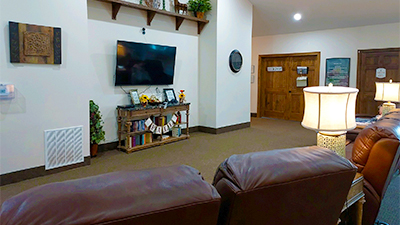
A great respite keep must seem like more than a bed for a weekend. The team ought to take the short-term resident seriously, learn their regimens, and make them really feel welcomed rather than travelled through. Households can find out a lot from a short stay. Does the person clear up in after the first day or stay perturbed? Do team connect adjustments promptly? Is the area clean and comfortable? Does the resident appear calmer after meals and activities, or more withdrawn?
Respite care is usually underused, but it can be one of the smartest steps in deciding whether a neighborhood is a great fit. It offers a real-world test, not just a tour.
Trust your eyes throughout a visit
When touring memory care communities, families commonly recognize more than they assume they do. The information show up if you reduce and focus. View exactly how personnel greet residents. Notification whether people are talking in warm, personalized ways or supplying quick directions. Look at whether homeowners appear clean, engaged, and properly clothed. Observe whether anybody appears neglected for lengthy stretches.
If you can, visit at a busy time and a quieter time. A place can look brightened when everything is tranquil. The more difficult test is just how it deals with lunch, late afternoon tiredness, or a resident that becomes troubled. Great communities do not hide from the challenging minutes. They recognize those minutes are the work.
Ask practical concerns, and pay attention closely to the responses. How many caregivers are assigned per change? Exactly how are emergency situations handled? What happens if a resident refuses showering or medication? Exactly how does the neighborhood react to wandering danger? What level of medical assistance is available on site, and when are outside suppliers generated? You are not simply looking for an area. You are examining a day-to-day care system.
It is also worth asking just how family members are included. Some areas interact typically, with updates that are thoughtful and valuable. Others only call when something has failed. The most effective senior living near me search results page might not tell you which is which, so direct monitoring matters.
The ideal neighborhoods protect self-respect in small, consistent ways
Dignity is not a brochure word. It stays in the information. It is the distinction in between a caretaker rushing a resident with clothing and one that provides time to get involved. It is the distinction in between a person being corrected in public and redirected quietly. It is the distinction in between a call light being responded to quickly and a resident waiting, self-conscious, due to the fact that they required help toileting.
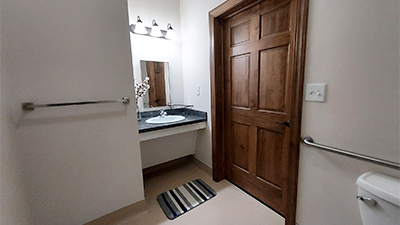
People with dementia typically blow up over lots of parts of daily life. A high-quality neighborhood protects the memory care items that can still be shielded. Citizens must be requested for consent where possible. They should be talked to, not over. Their choices must be born in mind. Their life stories must matter.
This is particularly essential because dementia does not get rid of personhood. It changes communication, memory, and feature, yet the person stays. Great memory care programs are constructed around that truth. They do not just avoid damage. They create minutes of ease, recognition, and belonging.
How families can tell the difference between appropriate and excellent
Not every area requires to be excellent, and no area can eliminate all hard days. Dementia is unforeseeable. Even the most effective care group will certainly encounter resistance, sorrow, complication, and clinical adjustments. The inquiry is whether the community has the ability and solidity to react well.
A just ample place might keep homeowners risk-free, yet an outstanding one notifications refined shifts before they come to be crises. It recognizes that a decrease in appetite might signify infection, depression, or medicine concerns. It understands that frustration usually has a cause. It remembers that family members need updates, not simply peace of mind. It treats respite care, long-term memory care, and transitioning needs with equal seriousness.
Excellent neighborhoods additionally approve that care demands evolve. Somebody that begins in a lighter-support setup might require even more assistance in time. That development needs to be anticipated, not dealt with as a surprise. Households must ask just how the neighborhood handles altering degrees of care and whether citizens can continue to be in position as requirements raise, if suitable. That connection can make a substantial distinction for a person with dementia who relies on familiarity.
A thoughtful community is also truthful when it is not the appropriate fit. That might appear counterintuitive, yet it is one of the toughest indications of integrity. If a provider states that a person requires much more medical supervision than they can securely use, that is not a shed sale. It is responsible elder care.
What the ideal option really feels like
Families often explain the appropriate neighborhood in emotional terms before they can discuss it practically. They state the place really felt tranquil. The team seemed to know what they were doing. Residents did not look shed. Dishes looked enjoyable. Concerns were responded to without stress. Their loved one, even if perplexed, appeared less strained there than at home.
That sensation issues. Dementia assistance is not only regarding staying clear of drops or handling medicines. It has to do with developing enough framework, warmth, and consistency that the individual can cope with more convenience and less concern. A terrific area does not guarantee to quit amnesia. Nothing can do that. What it can do is form the days around the loss with skill and humanity.
When households are contrasting memory care options, whether they are browsing locally for memory care near me or looking broader across senior living near me areas, the objective coincides. Discover the area where care is individual, interaction is honest, the setting reduces tension, and the team comprehend that dementia is not just a medical diagnosis. It is a lived experience that touches every dish, every corridor, every conversation, and every decision.
The right elder care area will not simply maintain someone risk-free. It will assist them remain known.
BeeHive Homes of Plainview provides assisted living care
BeeHive Homes of Plainview provides memory care services
BeeHive Homes of Plainview provides respite care services
BeeHive Homes of Plainview supports assistance with bathing and grooming
BeeHive Homes of Plainview offers private bedrooms with private bathrooms
BeeHive Homes of Plainview provides medication monitoring and documentation
BeeHive Homes of Plainview serves dietitian-approved meals
BeeHive Homes of Plainview provides housekeeping services
BeeHive Homes of Plainview provides laundry services
BeeHive Homes of Plainview offers community dining and social engagement activities
BeeHive Homes of Plainview features life enrichment activities
BeeHive Homes of Plainview supports personal care assistance during meals and daily routines
BeeHive Homes of Plainview promotes frequent physical and mental exercise opportunities
BeeHive Homes of Plainview provides a home-like residential environment
BeeHive Homes of Plainview creates customized care plans as residents’ needs change
BeeHive Homes of Plainview assesses individual resident care needs
BeeHive Homes of Plainview accepts private pay and long-term care insurance
BeeHive Homes of Plainview assists qualified veterans with Aid and Attendance benefits
BeeHive Homes of Plainview encourages meaningful resident-to-staff relationships
BeeHive Homes of Plainview delivers compassionate, attentive senior care focused on dignity and comfort
BeeHive Homes of Plainview has a phone number of (806) 452-5883
BeeHive Homes of Plainview has an address of 1435 Lometa Dr, Plainview, TX 79072
BeeHive Homes of Plainview has a website https://beehivehomes.com/locations/plainview/
BeeHive Homes of Plainview has Google Maps listing https://maps.app.goo.gl/UibVhBNmSuAjkgst5
BeeHive Homes of Plainview has Facebook page https://www.facebook.com/BeeHivePV
BeeHive Homes of Plainview has an YouTube page https://www.youtube.com/@WelcomeHomeBeeHiveHomes
BeeHive Homes of Plainview won Top Assisted Living Homes 2025
BeeHive Homes of Plainview earned Best Customer Service Award 2024
BeeHive Homes of Plainview placed 1st for Senior Living Communities 2025
People Also Ask about BeeHive Homes of Plainview
What is BeeHive Homes of Plainview Living monthly room rate?
The rate depends on the level of care that is needed. We do an initial evaluation for each potential resident to determine the level of care needed. The monthly rate is based on this evaluation. There are no hidden costs or fees
Can residents stay in BeeHive Homes until the end of their life?
Usually yes. There are exceptions, such as when there are safety issues with the resident, or they need 24 hour skilled nursing services
Do we have a nurse on staff?
No, but each BeeHive Home has a consulting Nurse available 24 – 7. if nursing services are needed, a doctor can order home health to come into the home
What are BeeHive Homes’ visiting hours?
Visiting hours are adjusted to accommodate the families and the resident’s needs… just not too early or too late
Do we have couple’s rooms available?
Yes, each home has rooms designed to accommodate couples. Please ask about the availability of these rooms
Where is BeeHive Homes of Plainview located?
BeeHive Homes of Plainview is conveniently located at 1435 Lometa Dr, Plainview, TX 79072. You can easily find directions on Google Maps or call at (806) 452-5883 Monday through Sunday 9:00am to 5:00pm
How can I contact BeeHive Homes of Plainview?
You can contact BeeHive Homes of Plainview by phone at: (806) 452-5883, visit their website at https://beehivehomes.com/locations/plainview/, or connect on social media via Facebook or YouTube
Door Red offers a familiar, easy-to-navigate dining option ideal for assisted living, memory care, senior care, elderly care, and respite care visits.