Just How a Memory Care Home Can Help Reduce Roaming Dangers
Business Name: BeeHive Homes of Plainview
Address: 1435 Lometa Dr, Plainview, TX 79072
Phone: (806) 452-5883
BeeHive Homes of Plainview
Beehive Homes of Plainview assisted living care is ideal for those who value their independence but require help with some of the activities of daily living. Residents enjoy 24-hour support, private bedrooms with baths, medication monitoring, home-cooked meals, housekeeping and laundry services, social activities and outings, and daily physical and mental exercise opportunities. Beehive Homes memory care services accommodates the growing number of seniors affected by memory loss and dementia. Beehive Homes offers respite (short-term) care for your loved one should the need arise. Whether help is needed after a surgery or illness, for vacation coverage, or just a break from the routine, respite care provides you peace of mind for any length of stay.
1435 Lometa Dr, Plainview, TX 79072
Business Hours
Wandering is one of the hardest components of dementia for households to handle due to the fact that it often shows up quietly, then instantly ends up being urgent. A parent that has actually always been consistent on their feet might start pacing at strange hours, eloping the front door, or trying to "go home" from the extremely location they already live. That can be frightening, not only due to the possibility of obtaining lost, yet due to the fact that roaming normally signals something much deeper. It may originate from complication, unmet demands, stress and anxiety, pain, boredom, or the basic reality that an individual no more recognizes the safety signs that as soon as kept them anchored.
A memory care home is constructed keeping that truth in mind. Great memory care does not attempt to regulate people in a cool or overly restrictive method. Instead, it develops an environment where activity is still appreciated, however the dangers linked to roaming are decreased through thoughtful layout, experienced support, and daily regimens that make good sense to locals with cognitive disability. For numerous households looking for memory care near me or comparing senior living near me alternatives, that distinction is usually what alters the discussion from crisis monitoring to something much more stable and humane.
Wandering is rarely random
People sometimes picture straying as simply "walking off," yet in elder care it is usually far more layered than that. A resident might be looking for a spouse that died years back, attempting to get to work, or looking for the washroom and after that shedding the thread halfway there. Some people relocate because they feel agitated. Others pace because they fear, in pain, hungry, or overstimulated. Sometimes, need shows up at the exact same time daily, usually late afternoon or evening, when fatigue and complication build.
That is why straying danger needs to be recognized as a health and safety issue, not an actions problem. Families who have actually attempted to handle it at home recognize how tiring it can be. A couple of minutes of disturbance is all it can take for a loved one to leave through an opened door or step outside while someone is addressing a phone call. Also when absolutely nothing severe occurs, the fear transforms the atmosphere of the entire house. Individuals start to sleep lightly, check locks consistently, and construct their entire timetable around supervision.
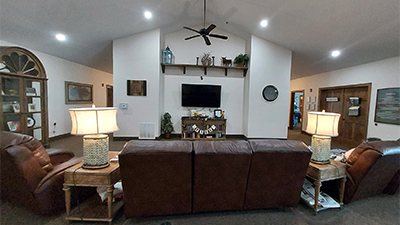
A well-run memory care home reduces that strain by assuming wandering might happen and building layers of assistance around it. The objective is not to get rid of movement. It is to reduce hazardous departures, avoid disorientation from coming to be harmful, and respond rapidly when a resident starts to drift.
The environment does a great deal of the work
One of the biggest advantages of memory care is that the structure itself is designed for individuals who might wander. That seems basic, however it matters greater than many families realize. A traditional apartment building, assisted living flooring, or exclusive home commonly has a lot of leaves, too many aesthetic distractions, and a lot of chances for somebody with dementia to get transformed around.
In a memory care home, the design is usually much easier to review. Hallways are much more straightforward. Landmarks are clear. There might be color hints, memory boxes outside rooms, or very carefully selected decoration that aids homeowners orient themselves. Doors that should not be opened up without help might blend right into the wall surface as opposed to stand out like an invite. Yards and strolling courses might be secured so residents can maintain moving without reaching a street or car park lot.
Good style additionally reduces frustration. Severe lighting, confusing mirrors, chaotic rooms, and loud history sound can all enhance the impulse to wander. A calmer atmosphere can shorten the course from stress and anxiety to collaboration. I have actually seen residents work out much faster when the space felt familiar and minimalist, with sufficient light to minimize darkness and sufficient space to stroll without encountering furniture.
These design options may not appear significant, but they are often the distinction in between repetitive near-misses and a predictable day.
Staff recognize how to read the signs before a resident bolts
The ideal memory care teams do not wait on a resident to get to the door before stepping in. They find out the small signals that wandering is building. Some people become extra concentrated on footwear or coats. Others stand and take a seat repeatedly, look towards leaves, or begin packing a bag without any clear purpose. A resident who asks to "go home" 3 times in ten minutes might not be looking for an area whatsoever. They may be attempting to soothe a feeling.
Experienced staff react with redirection instead of fight. That issues. Informing somebody with dementia that they are wrong frequently creates more agitation, which can make straying even worse. A calm caregiver might provide a stroll, a treat, a washroom check, or a possibility to consider a picture album. Sometimes the requirement is physical. Often it is psychological. In some cases the individual simply needs an adjustment in activity before the urge to leave develop into an actual leave attempt.
This type of response calls for staffing that comprehends dementia, not simply basic senior care. It takes patience, monitoring, and rep. A memory care home is most likely to have regimens and training developed around those abilities than a setting where caretakers are asked to cover a wide range of senior living requirements without the very same level of focus.
Routines lower the urge to roam
People living with dementia commonly do better when the day has a predictable rhythm. That does not imply the routine must be rigid to the min. It means meals, rest, activity, and personal care take place in a manner that really feels stable and acquainted. When a resident understands roughly what comes next, there is less space for the anxiety that can cause wandering.
That predictability can be especially essential in the afternoon and evening. Several households acknowledge the late-day restlessness in some cases called sundowning, when complication and stress and anxiety rise as the light changes. In a memory care setup, team commonly change the setting and the day's pace throughout those hours. There may be quieter songs, gentler shifts, and a lot more one-on-one reassurance. Citizens are not delegated fill vacant time on their own, which can be a remarkably essential protection.
Boredom is an underestimated trigger. Someone that has actually spent an hour with absolutely nothing to do may come to be determined to "go somewhere," even if the location is uncertain. Purposeful activity, whether folding towels, sprinkling plants, paying attention to familiar tunes, or moving via a guided exercise course, can minimize that stress. The movement is still there, today it has a purpose.
Security ought to feel helpful, not punitive
Families sometimes worry that memory care indicates living behind secured doors in a rough or institutional setting. The far better homes take a various strategy. Safety and security is present, however it is woven right into the history. Homeowners can move securely without really feeling trapped.
This balance is hard. Excessive limitation can make an individual really feel restricted, which may boost attempts to leave. Too little structure can create real danger. Knowledgeable memory care homes function to strike the middle ground by incorporating access, guidance, and discreet safeguards. Staff may check doors, usage signaling systems, and keep an eye on locals' patterns without transforming the structure right into something that feels punitive.
That same balance issues when households are comparing senior living near me choices. A strong tour should not only show you where departures are controlled. It needs to show you exactly how homeowners invest their time, whether they appear tranquil, whether team are visible and engaged, and whether the atmosphere really feels welcoming. Safety is not almost locks. It is about whether people can deal with self-respect while continuing to be protected.
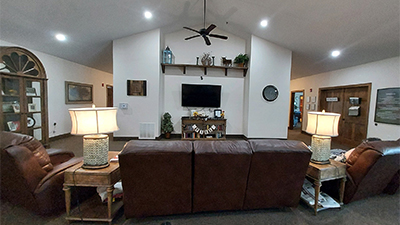
When straying happens at home, the toll is real
Some family members attempt to delay the move to memory care since they intend to recognize a pledge to keep a loved one in your home as long as feasible. That instinct is understandable, and many individuals do take care of with a mix of family assistance, home adjustments, and respite care. Once roaming becomes constant, the burden can spread throughout every part of life.
Adult kids might take turns oversleeping changes. A partner may quit leaving the house. Doors obtain brand-new locks, alarms get included, and still the worry sticks around. If the person with dementia has already gone missing out on when, even momentarily, the tension can become constant. It is difficult to overstate what that does to a household.
A memory care home can soothe that worry due to the fact that it removes the requirement for family members to be working every min of the day. That is not a small advantage. It alters whether a spouse can relax via the night, whether an adult kid can maintain working, and whether the rest of the family can hang around together without somebody constantly enjoying the hallway.
For families who are utilizing respite care before making a longer-term choice, the short stay can be exposing. Individuals frequently discover nearly right away whether their loved one resolves into an extra structured setting or remains to feel distressed. That experience can help clarify whether ongoing memory care is the best next step.
Good memory care enjoys the entire person
The most effective straying avoidance normally begins long before the door. A resident that is in discomfort, constipated, dried out, under-stimulated, or anxious is most likely to try to leave. Excellent memory care homes focus on those underlying triggers. Staff notice if a person is consuming less, sleeping poorly, or unexpectedly a lot more agitated than normal. An adjustment in wandering habits may be the first idea that another thing is going on.
That is where senior care in a memory care establishing comes to be even more detailed than straightforward supervision. Care groups typically coordinate medicine timing, hydration, toileting support, and activity planning with the resident's daily patterns. If a person has a tendency to rate after lunch, staff might plan for a walk or a task around that time as opposed to waiting on the restlessness to build. If a person comes to be disoriented when tired, the group might change just how much stimulation they obtain late in the day.
A straying risk is seldom addressed by one treatment alone. It is normally handled with a series of small, functional choices that, together, make the day safer.
What family members ought to take notice of on a tour
When you visit a memory care home, the evident things matter. Are the doors secure? Does the building really feel easy to navigate? Are there places for citizens to walk securely? But the much less noticeable details often inform you more.
Does staff interaction feel tranquil and respectful, specifically when homeowners seem perplexed? Do people appear to be guided delicately instead of hurried? Are leaves visually reduced, or do they stand apart in a manner that might invite meddling? Is there enough activity to keep residents involved, or do you see individuals resting for long stretches with little to do?
You can likewise ask details inquiries about roaming avoidance, since the answer reveals a whole lot regarding just how the home operates. The best inquiries are usually easy and practical.
- How do you react when a resident attempts to leave?
- What training do personnel receive about dementia-related wandering?
- How do you support residents who speed or need constant walking?
- What occurs if a resident ends up being disoriented throughout an activity or transition?
- How do you interact patterns or concerns to family members members?
A thoughtful personnel must have the ability to answer without appearing defensive or rehearsed. They must be able to clarify exactly how they stabilize safety with respect, and exactly how their technique adjustments as a resident's needs evolve.
Families often require time to trust the process
Even when memory care is clearly the much safer option, it can take time for family members to feel peaceful with the relocation. That is regular. There is psychological weight in turning over guidance, especially if you have actually invested months or years managing wandering at home. Guilt usually appears first. Relief comes later, in some cases a lot later, as soon as you see your loved one less flustered and no longer at risk of entering danger.
I have watched households relocate through that shift in stages. At first, they are focused on the loss of control. After that they begin assisted living BeeHive Homes of Plainview observing the useful enhancements. The individual is resting much better. The phone calls are much less agitated. The resident who used to bolt for the front door is currently strolling with a purpose in a safe courtyard or signing up with a team activity with much less resistance. Those adjustments do not get rid of the diagnosis, yet they can make life steadier.
This is additionally why a memory care home is not only regarding security. It has to do with lifestyle. A resident that no more needs to be chased after, limited, or regularly corrected may really feel less stressful. That calmer standard can lower a few of the extremely actions families are afraid most.
The finest outcome is normally less about quiting motion and even more concerning directing it
Wandering is not the enemy in every kind. Walking can relieve, organize idea, and provide a person a feeling of company. The challenge is rerouting that need into safe paths. A strong memory care home understands this distinction. It provides homeowners area to move while reducing the chance that activity develops into danger.

That is what makes the atmosphere so important. The style supports positioning. The routines lower anxiousness. The personnel discover the signals early. The entire setting is developed around a reality households discover by hand, which is that somebody with dementia might not be able to protect themselves from the risks that feature shedding memory and spatial awareness.
For households comparing memory care, elder care options, or looking up memory care near me after a frightening straying occurrence, the central concern is normally not whether a loved one will ever before stroll once again. It is whether they can walk, rate, discover, and cope with as much freedom as possible, without the worry of continuous danger.
That is where a well-run memory care home earns its value. It does not promise excellence. It uses something extra practical and, for numerous family members, more significant. It develops a safer location for a person who still needs to relocate, also when memory no longer guides the way.
BeeHive Homes of Plainview provides assisted living care
BeeHive Homes of Plainview provides memory care services
BeeHive Homes of Plainview provides respite care services
BeeHive Homes of Plainview supports assistance with bathing and grooming
BeeHive Homes of Plainview offers private bedrooms with private bathrooms
BeeHive Homes of Plainview provides medication monitoring and documentation
BeeHive Homes of Plainview serves dietitian-approved meals
BeeHive Homes of Plainview provides housekeeping services
BeeHive Homes of Plainview provides laundry services
BeeHive Homes of Plainview offers community dining and social engagement activities
BeeHive Homes of Plainview features life enrichment activities
BeeHive Homes of Plainview supports personal care assistance during meals and daily routines
BeeHive Homes of Plainview promotes frequent physical and mental exercise opportunities
BeeHive Homes of Plainview provides a home-like residential environment
BeeHive Homes of Plainview creates customized care plans as residents’ needs change
BeeHive Homes of Plainview assesses individual resident care needs
BeeHive Homes of Plainview accepts private pay and long-term care insurance
BeeHive Homes of Plainview assists qualified veterans with Aid and Attendance benefits
BeeHive Homes of Plainview encourages meaningful resident-to-staff relationships
BeeHive Homes of Plainview delivers compassionate, attentive senior care focused on dignity and comfort
BeeHive Homes of Plainview has a phone number of (806) 452-5883
BeeHive Homes of Plainview has an address of 1435 Lometa Dr, Plainview, TX 79072
BeeHive Homes of Plainview has a website https://beehivehomes.com/locations/plainview/
BeeHive Homes of Plainview has Google Maps listing https://maps.app.goo.gl/UibVhBNmSuAjkgst5
BeeHive Homes of Plainview has Facebook page https://www.facebook.com/BeeHivePV
BeeHive Homes of Plainview has an YouTube page https://www.youtube.com/@WelcomeHomeBeeHiveHomes
BeeHive Homes of Plainview won Top Assisted Living Homes 2025
BeeHive Homes of Plainview earned Best Customer Service Award 2024
BeeHive Homes of Plainview placed 1st for Senior Living Communities 2025
People Also Ask about BeeHive Homes of Plainview
What is BeeHive Homes of Plainview Living monthly room rate?
The rate depends on the level of care that is needed. We do an initial evaluation for each potential resident to determine the level of care needed. The monthly rate is based on this evaluation. There are no hidden costs or fees
Can residents stay in BeeHive Homes until the end of their life?
Usually yes. There are exceptions, such as when there are safety issues with the resident, or they need 24 hour skilled nursing services
Do we have a nurse on staff?
No, but each BeeHive Home has a consulting Nurse available 24 – 7. if nursing services are needed, a doctor can order home health to come into the home
What are BeeHive Homes’ visiting hours?
Visiting hours are adjusted to accommodate the families and the resident’s needs… just not too early or too late
Do we have couple’s rooms available?
Yes, each home has rooms designed to accommodate couples. Please ask about the availability of these rooms
Where is BeeHive Homes of Plainview located?
BeeHive Homes of Plainview is conveniently located at 1435 Lometa Dr, Plainview, TX 79072. You can easily find directions on Google Maps or call at (806) 452-5883 Monday through Sunday 9:00am to 5:00pm
How can I contact BeeHive Homes of Plainview?
You can contact BeeHive Homes of Plainview by phone at: (806) 452-5883, visit their website at https://beehivehomes.com/locations/plainview/, or connect on social media via Facebook or YouTube
You might take a short drive to the Jimmy Dean Museum. Jimmy Dean Museum offers a low-impact cultural experience appropriate for assisted living, senior care, elderly care, and respite care visits.